Choose a Tucson Remodeling Contractor for Project Management
Remodeling Contractor Secrets: How to Ensure a Smooth Renovation Process
Navigating a home renovation can be challenging. Homeowners often face unexpected hurdles that can create difficulties. Picking the right home improvement contractor is critical for steering clear of typical errors. Transparent communication and open dialogue can make a notable impact. Yet, many miss essential steps that can lead to stress and postponements. Understanding these secrets can help smooth the path and secure a successful outcome. How can homeowners best prepare for these challenges?
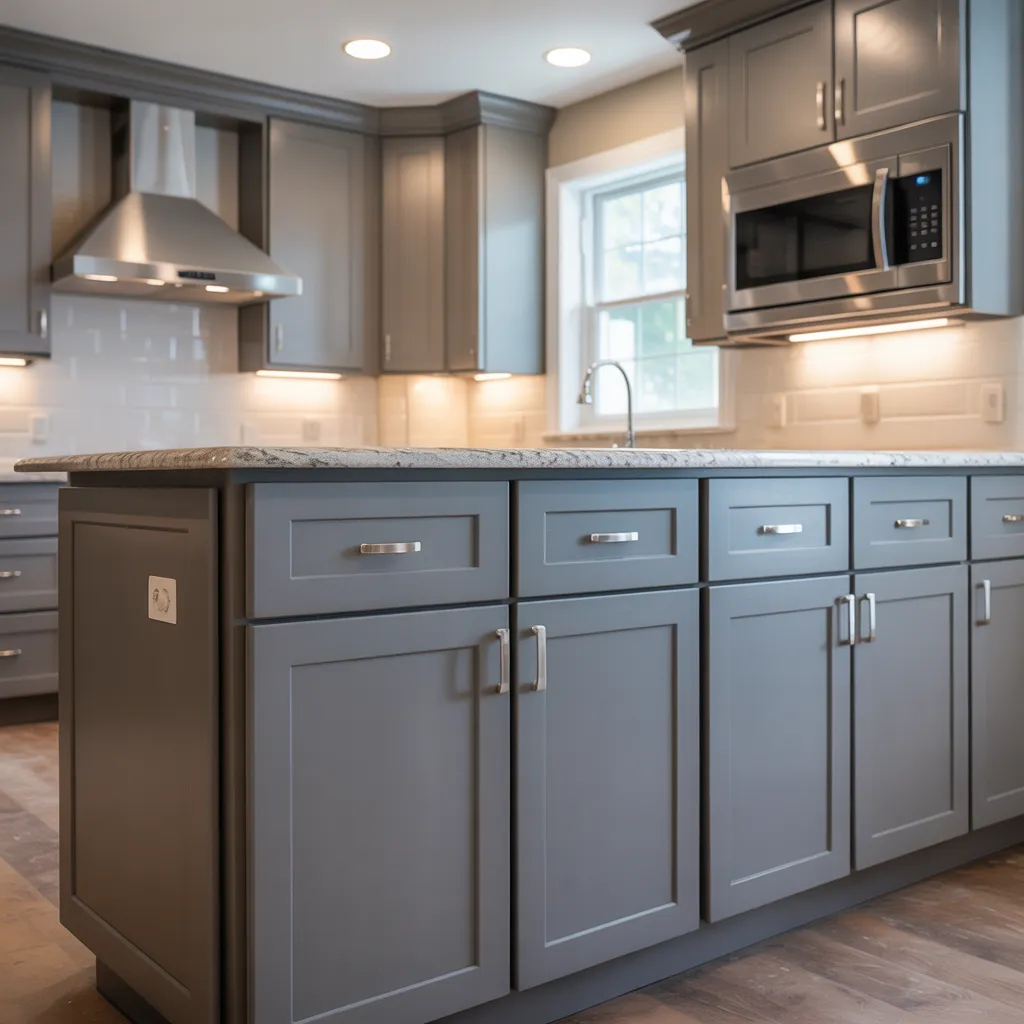
Exploring the Role of a Remodeling Contractor
A remodeling contractor oversees the complex process of home remodeling projects, making sure projects progress efficiently from start to finish. This specialist serves as the primary point of contact in managing various tasks, from the planning phase to the finishing details. They have a deep understanding of construction practices, building materials, and local compliance requirements, which allows them to reach well-reasoned judgments that impact the results of each project.
The contractor takes charge of supervising subcontractors, planning work timelines, and controlling the budget. They additionally function as a bridge between clients and tradespeople, handling concerns and sharing progress throughout the remodeling process. Clear communication is vital, since it allows the client's goals to be matched with real-world execution. By balancing timelines and quality, the remodeling contractor reduces interruptions and improves overall productivity. In the end, their skills and guidance are instrumental in bringing a client's renovation vision to life while keeping safety and regulatory compliance at the forefront.
How to Establish Clear Expectations for Your Project
Establishing clear expectations is critical for the favorable outcome of any renovation project. Homeowners should begin by defining their goals and desired outcomes, making sure all involved parties are aware of the scope of work. Comprehensive project descriptions serve to minimize miscommunications as the project progresses. Creating a reasonable budget is also a key consideration; it must incorporate provisions for any unanticipated expenditures.
Homeowners need to share their schedules, covering both start and end dates, which supports the synchronization of see guide contractor timetables. Talking through the materials needed and their availability can provide greater clarity regarding the project's course. Frequent communication can aid in handling concerns as they arise, fostering a spirit of teamwork and partnership.
Ultimately, recording all decisions and agreements can serve as a reference throughout the project, preventing misunderstandings. By setting these clear expectations, residents can encourage a more streamlined and productive renovation process, guaranteeing that the completed project reflects their goals.
The Importance of Effective Communication
Clear communication acts as the foundation of any thriving remodeling endeavor, guaranteeing that all parties involved stay aligned during the entire process. It fosters transparency, allowing both parties to express their goals, preferences, and concerns freely. When communication is clear and consistent, confusion can be reduced, which helps eliminate expensive setbacks and revisions.
Contractors can take advantage of frequent updates, enabling them to adjust their timelines and resource allocation as necessary. Homeowners, in turn, gain reassurance through consistent communication, remaining more engaged and up to date. Strong communication further builds trust, a critical component for a mutually beneficial working partnership.
Employing diverse communication channels, such as emails, phone calls, and in-person meetings, helps accommodate diverse preferences and guarantee that important details is shared without delay. In the end, placing emphasis on effective communication not only enhances the remodeling experience but also helps in attaining the desired results efficiently and satisfactorily.
Important Questions for Finding the Right Contractor?
How do homeowners go about finding and selecting a dependable remodeling contractor? To arrive at a well-considered decision, they should commence by raising important inquiries. Homeowners are advised to question the contractor regarding their experience and proficiency in targeted remodeling work, verifying that the professional holds the appropriate competencies for the job being considered. It is furthermore critical to seek out references and portfolio examples of completed work to evaluate both quality and trustworthiness.
Homeowners ought to confirm the contractor's licensing and insurance status, verifying their adherence to local rules and standards. Moreover, addressing the project timeline and availability assists in establishing reasonable expectations. Requesting information about subcontractors and their experience can also reveal the level of professionalism expected throughout the process.
Finally, homeowners ought to ask for a transparent payment plan and request warranty information for materials as well as workmanship. By asking these important questions, homeowners are better equipped to vet potential contractors and make an informed decision about the ideal contractor for their renovation needs.
Evaluating Contractor Proposals
When assessing contractor bids, it is essential to analyze pricing frameworks to ensure budget alignment. Furthermore, evaluating project timelines helps in determining the viability of every contractor's proposal. This methodical process supports making knowledgeable determinations that can considerably impact the renovation project.
Analyze Pricing Models
Although comparing pricing structures can seem intimidating, it is critical for homeowners to diligently analyze contractor bids to guarantee they receive the best value for their investment. Contractors often propose a range of pricing arrangements, such as flat-rate pricing, time-based billing, or cost-plus contracts. Property owners should consider not only the full costs but also the details covered in each bid. For example, some proposals may include materials and labor comprehensively, while others may separate them, causing unanticipated charges further along. Additionally, evaluating payment schedules and terms can reveal potential financial risks. Through grasping these details, homeowners can make well-informed choices and choose a contractor whose pricing model suits their budget and project goals.
Assess Project Timelines
Reviewing construction schedules is crucial for homeowners who want clear information in contractor proposals, as delays can greatly impact costs and anticipated outcomes. A thorough review of suggested schedules enables homeowners to recognize possible delays and ensure that contractors maintain practical timelines. Homeowners ought to examine the projected beginning and end dates across several bids, carefully considering the individual stages of the work. It is wise to question concerning the contractor's plan for handling unexpected setbacks, such as adverse weather or material shortages. Open discussion concerning key checkpoints can encourage reliability and clarity. By comprehending the schedule, homeowners can more accurately set their goals and get ready for any changes necessary throughout the renovation process, resulting in a more seamless outcome.
How to Maintain Your Renovation Schedule
Keeping on track during a renovation can significantly affect the total success of the project. To sustain progress, open communication between the homeowner and contractor is vital. Setting up a thorough timeline with specific milestones helps everyone remain responsible. Regular check-ins can handle any likely holdups early on, guaranteeing that concerns are addressed in a timely manner.
Moreover, anticipating unforeseen difficulties, such as disruptions in the supply chain or weather-induced delays, permits increased flexibility in scheduling. Homeowners must also confirm that decisions regarding materials and design choices are established prior to construction to minimize last-minute adjustments that could hinder progress.
To conclude, selecting a reliable contractor with a proven track record can substantially boost the likelihood of meeting deadlines. A properly structured team, armed with the essential resources, will execute duties proficiently, reducing delays and maintaining project momentum. Thorough preparation and preventive administration are fundamental aspects in ensuring the renovation finishes on time.
Typical Remodeling Errors With Contractors
Successful remodeling projects necessitate not only careful planning but also an understanding of common challenges that can arise when working with contractors. One common issue is miscommunication, which can lead to confusion regarding budgets, project scope, and timelines. It is critical for homeowners to set well-defined expectations and sustain transparent communication throughout the renovation process.
One other common error is failing to account for costs. Property owners often overlook additional expenses such as materials, permits, or unexpected repairs, which can create financial strain. Additionally, the decision on which contractor to hire plays a significant role; working with unlicensed or inexperienced professionals can cause inferior workmanship or legal difficulties.
Finally, failing to verify references and reviews can end up with the wrong contractors being hired. It is essential for homeowners to thoroughly research and vet potential candidates to steer clear of setbacks and frustration. By identifying these common mistakes, homeowners can protect their renovation endeavors and ensure a more seamless process.
Commonly Asked Questions
What Should I Do if My Contractor Misses a Deadline?
When a contractor fails to meet a deadline, the homeowner should communicate directly, sharing their worries and asking for clarity. Record the discussion, examine the contract for relevant clauses, and evaluate the possibility of creating a new timeframe or pursuing other remedies as required.
How Do I Manage Unexpected Expenses During the Renovation?
To address unexpected costs throughout the renovation process, it is advisable to review the contract, maintain open communication with the project contractor, consider alternative options, and keep a contingency fund. This proactive approach assists in alleviating stress and ensures a more seamless project flow.
Which Permits Are Required for My Remodeling Project?
To determine the needed approvals for a home improvement project, it is essential to consult local construction regulations. In most cases, permits may include zoning, plumbing, electrical, or structural authorizations, depending on the scope of the project and local regulations.
Can I Continue Living in My Home While the Renovation Takes Place?
Yes, homeowners can often live in their homes during renovations, but the feasibility relies on the scope of the work being done. Disruptions such as noise, dust, and restricted access can present difficulties, so careful planning and communication with contractors are essential.
How Can I Resolve Disagreements With My Contractor?
To manage disputes with a contractor, one should express concerns in a clear manner, be receptive to their viewpoint, work toward a mutual agreement, keep records of conversations, and, when needed, consider mediation to arrive at an agreeable solution for all involved parties.